MAY 4, 2026
A Body That Carries Its Land
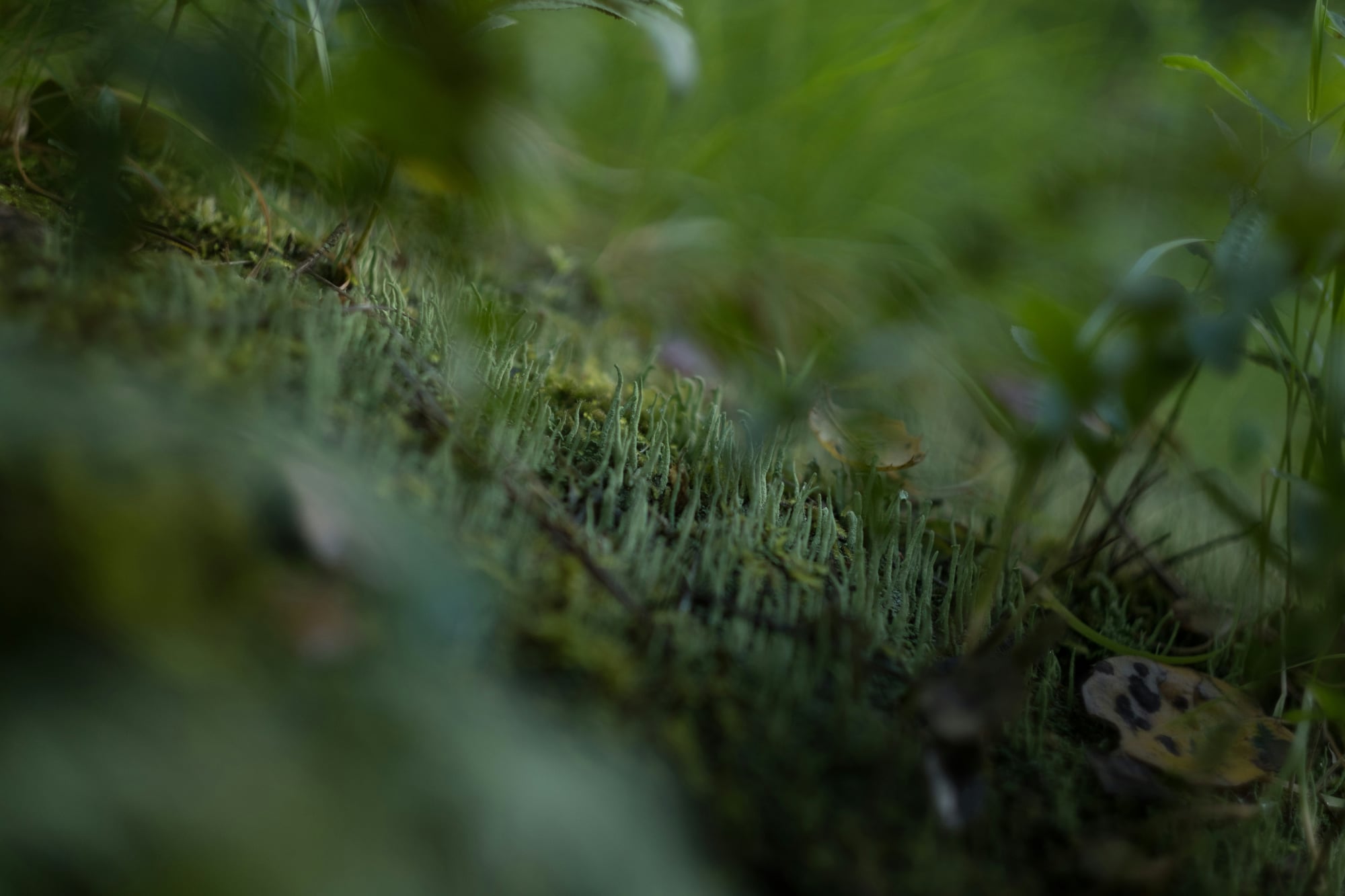
Growing up on an island, I never questioned the way I sensed and moved through the world. It wasn’t until I relocated multiple times that I began to feel the island’s presence deeply rooted in my sensory experience. The humidity, fluidity, and dampness once imprinted on my body still surface in how I think, write, and move, quietly shaping how I know and exist.
01. Traces of Dampness
My early experiences on the island were as tactile as they were olfactory, visual, and auditory: the warmth and dampness of the air, the thick embrace of heavy fog, the force of the wind, the smell of sulfur, earth, and ocean. In all of these, water was the common denominator.
Whether condensed or expansive in form, stalled or flowing in movement, barely visible or fully present — wherever I fixed my awareness, water was there. It never once left the scene.
In many ways, it was the mediator through which I came to know and experience the island and its inhabiting organisms.
Sensing water became both instinctive and intentional.
The fine layer of droplets clinging to my skin or sinus, the black traces of volcanic moisture on walls, the earthy-green scent of wetlands where after-dinner strolls took place — these form my bodily memory of the island. A kind of haptic nostalgia for the embracing dampness that still floods my heart in unexpected moments.
Nearly ten years after leaving the island and drifting through metropolitan cities, I’ve come to realize how deeply the humid island is embedded in my body and life. Despite the biomarkers and changes left by other landscapes, I continue to perceive, sense, and connect with place through water — a presence that defines and archives each place in its own shapes, colors, compositions, and sensations.
02. A Porous Body
Early encounters with heat, humidity, and strong air currents shaped me, just as they shaped other organisms of this island.
A porous body is one that allows for rapid exchange: the island’s volcanic soil, mangrove roots, the wide surfaces of giant taro leaves. My body, too, is a porous body.
My skin, like the broad and veined face of a taro leaf, relies on its expansiveness and porosity to stay in balance. Like other porous bodies on the island, we remain wide open to environmental information — responsive, sensitive, constantly in motion.
Every fluctuation in heat, light, air, and moisture becomes something to register.
The itch of fungal growth, the stick of sweat, the crawl of an insect, the shifting dampness of air on flesh... Each sensation is quick to grab my bodily attention, then is located, measured, and absorbed.
03. A State In Between
The formation of my island remains a geological myth. It is neither fully volcanic nor purely sedimentary, but exists in a liminal geological space — shaped by tectonic shifts, and reshaped by ancient eruptions.
Much like the island’s dual geological identity, there are other beings on the island that dwell in liminality, in the space of in-between.
Mangroves, too, possess a dual geological identity — neither fully terrestrial nor purely aquatic. They exist, grow, and thrive in transitional space.
They are everywhere to be seen. Born at the intersection of freshwater and saltwater, they can be spotted just downstairs, by the riverside trail where people go for a stroll, an intimate talk, where human and non-human bodies converge.
Both the island and its mangroves reflect my inner state, my way of grounding and navigating through my twenties. A mix of deep uprootedness and a sense of liberation, resilience, and flexibility. A state of in-between, in transition, in becoming.
Ambiguous feelings, a dual state of mind, damp fluid and heightened sensation — entangled together, they weave into my present being and sensibility.
They are part of the geological archive embedded in my body, continuing to shape how I relate to new landscapes, and to the human and non-human bodies I encounter along the way.
Living like mangroves is living with a state of mind — one that is both tectonically anchored and oceanically fluid.
This year marks the tenth year since I left the island where I was born and raised. Looking back on these years of navigating cityscapes across continents, I realize the island was never truly left behind. It continues to converse with me through the ways my body responds to unfamiliar landscapes and sensations.
As I look deeper into the sensory memories held in my body, along with the personal stories I have encountered, I am led to believe that the geological archives carried within us never wash away. They continue to shape how we sense and perceive the world around us.